This article is for general education and isn’t medical advice. Talk with your doctor or a registered dietitian about your personal needs, especially if you have a health condition, are pregnant or nursing, or take medication.
Most meals are decided in a hurry. You open the fridge, you look at what is there, and you make a choice before hunger makes it for you. If you have a simple picture in your head, those hurried choices start to look a lot better.
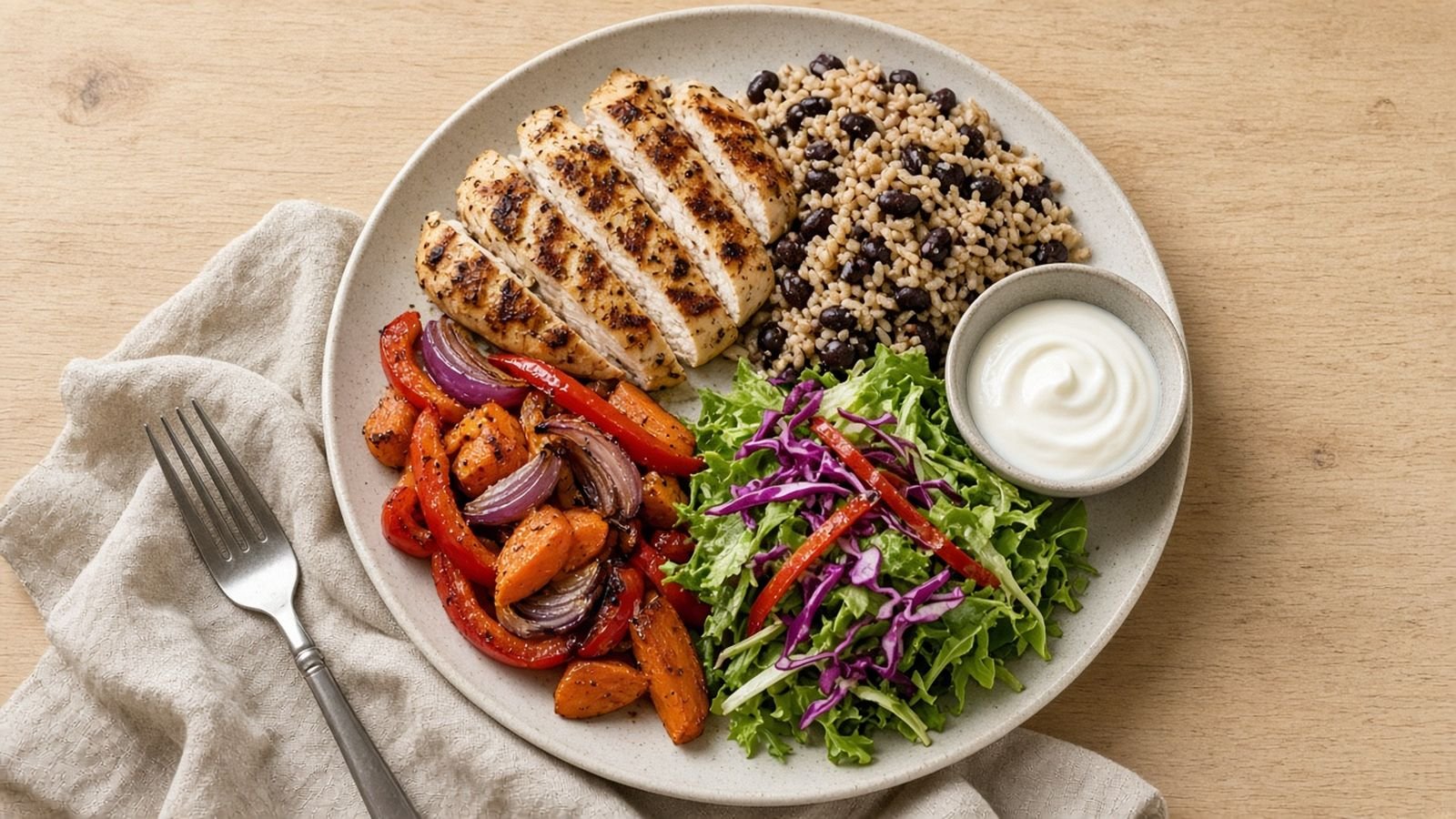
Here is the simple approach I use. I call it the Inside Plate. It is not a diet, and it does not ask you to count anything. It is a four-part picture you can use to build a balanced meal from something you cook, leftovers you reheat, or even a takeout box, in about five minutes.
Ask four questions: Where is the protein? Where are the fiber-rich plants? Where is the color? Where is the one gut-friendly food?
If you can answer all four, you have a solid meal. If one is missing, you add it. That is the whole method, and it works for anyone who wants to feel better through real food.
The four parts of the Inside Plate
You do not need a perfectly divided dish. Some foods cover more than one part, and that is a gift on a busy day. Greek yogurt can be your protein and your gut-friendly food. A scoop of beans can be protein, fiber, and a prebiotic all at once. Use the overlap.
1. Protein
Protein is what helps a meal leave you satisfied. I wrote more about why protein matters and easy ways to get it if you want the fuller picture. For the Inside Plate, just make sure some is there.
Easy everyday options: eggs; canned tuna or sardines; rotisserie or leftover chicken; Greek yogurt or cottage cheese; beans, lentils, chickpeas, tofu, or tempeh; peanut butter, when you pair it with the rest of the plate.
A palm-sized portion is a useful starting point. The point is not leaving protein off the plate.
2. Fiber-rich plants
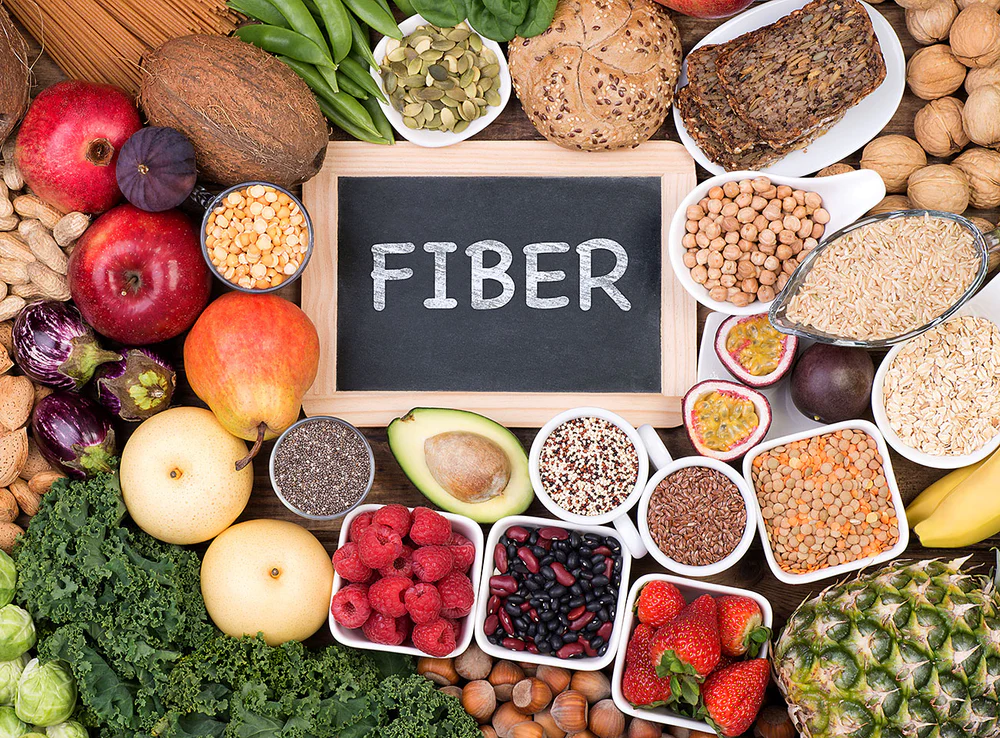
Fiber-rich plants help a meal feel complete and support everyday digestion: oats, brown rice, whole-wheat bread, beans and lentils, potatoes with the skin, fruit, vegetables, nuts, and seeds. Most of us could use a little more. I go into more detail in why eating more fiber is one of the best things you can do for your health.
If you have not been eating much fiber, add it gradually and drink some water with it. Jumping from very little to a lot at once is a common reason people feel uncomfortable.
3. Color
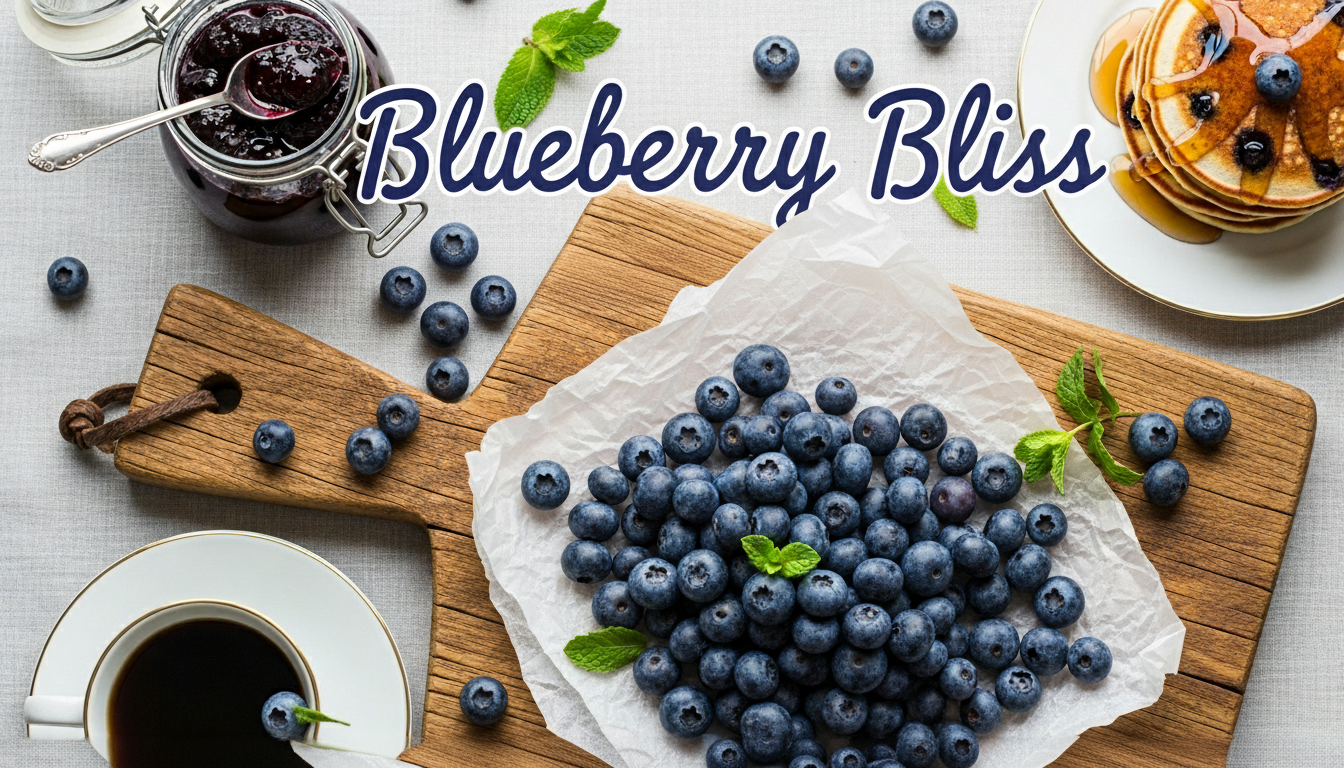
Color means a vegetable or a fruit you can actually see — an easy way to bring in a wider mix of nutrients. Blueberries work at breakfast. So do tomatoes, spinach, peppers, carrots, oranges, and frozen mixed vegetables.
A pale meal just needs a little color: a handful of greens, a piece of fruit, or leftover vegetables stirred into rice. Ketchup on fries does not count.
4. One gut-friendly food
This is the part that makes the Inside Plate feel like Inside Diet. You only need one.
It can be a fermented food with live cultures — plain yogurt, kefir, kimchi, sauerkraut, or naturally fermented pickles. Look for “live and active cultures” on yogurt, and choose refrigerated sauerkraut or kimchi when you can. I walk through everyday options in 10 Best Probiotic Foods for Gut Health.
Or it can be a prebiotic food, such as onions, garlic, oats, beans, or a banana that is still a little green. You do not need a probiotic pill. Food is enough for this method. If fermented foods are new to you, start with a small spoonful.
How to build a balanced meal in five minutes
This is an assembly method, not a from-scratch cooking class. The five minutes is for looking at what you already have and filling the gaps.
Minute 1: Pick your protein. Eggs, leftover chicken, a can of beans, yogurt, tofu, or tuna.
Minute 2: Add a fiber-rich plant. Whole-grain toast, leftover rice, oats, or beans if you did not already use them as protein.
Minute 3: Add color. Cherry tomatoes, a piece of fruit, spinach, or frozen vegetables from the microwave.
Minute 4: Add one gut-friendly food. Yogurt or kefir, sauerkraut or kimchi, or onion and garlic in the pan.
Minute 5: Taste and stop. Salt, pepper, lemon, olive oil, or hot sauce if you want it. Then eat. A good-enough plate you actually finish is better than a perfect one you never make.
Starting from takeout? Do the same four checks. Keep what you like, then add whatever is missing from the fridge.
Example plates
These are starting points, not recipes. Swap freely.
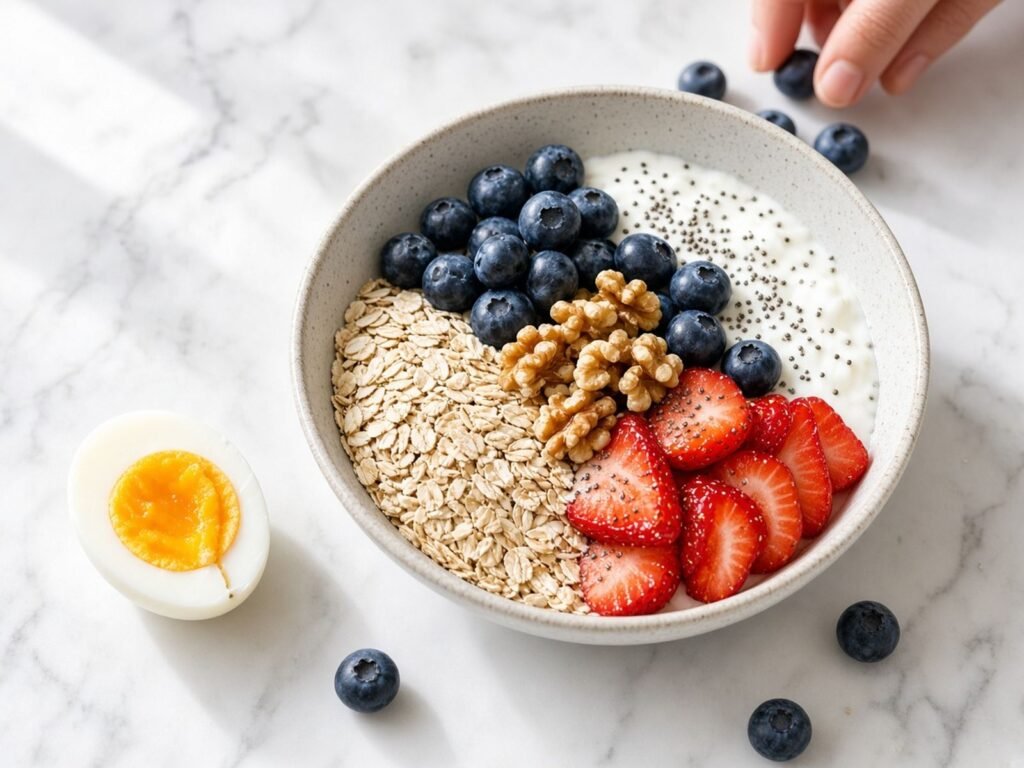
Breakfast: the yogurt bowl. Plain Greek yogurt (protein and gut-friendly), oats (fiber and a prebiotic), berries or banana (color), and a spoon of nuts or seeds. Five minutes, one bowl. Prefer savory? Two eggs, whole-grain toast, spinach or tomato, and yogurt on the side — or onion and garlic with the greens. Sardines work here too, with lemon and a piece of fruit.
Lunch: the leftover bowl. Leftover chicken or canned tuna, leftover brown rice or a whole-wheat wrap, whatever vegetables you have, and sauerkraut or kimchi. No fermented food? Add beans and onion.
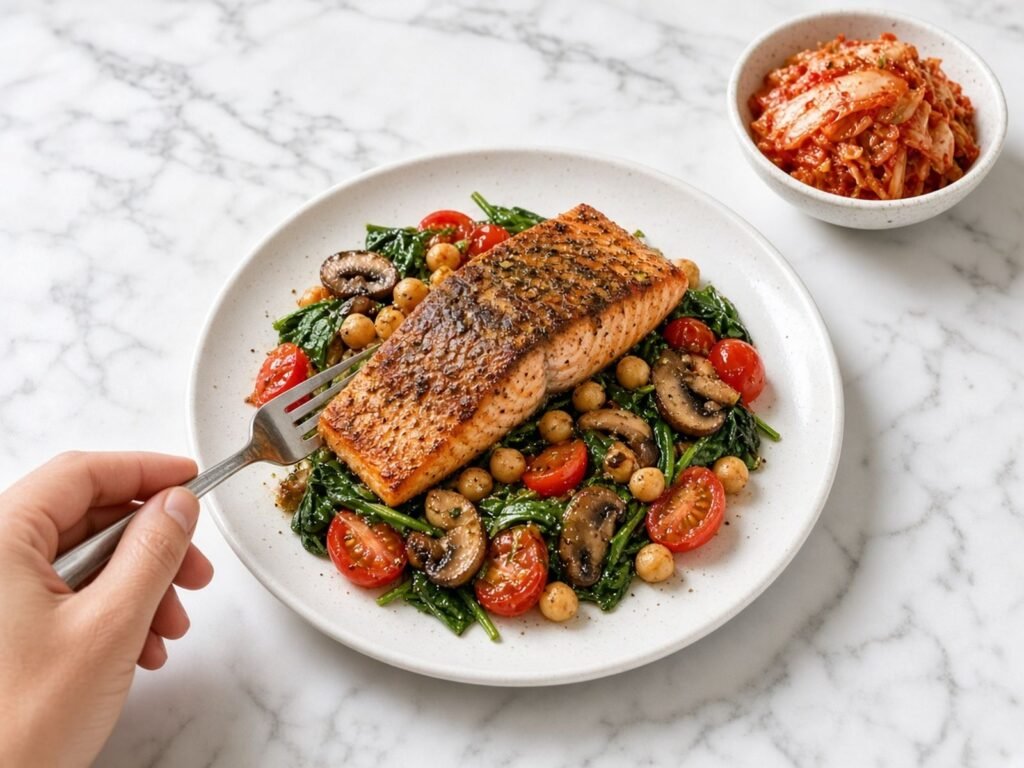
Dinner: the simple skillet. Fish or chicken, vegetables — mushrooms, peppers, or whatever you have — cooked with onion and garlic, and a fiber-rich side such as potatoes with the skin or beans. Cooking the protein from raw may take a little longer than five minutes, but the plate is the same.
The budget plate. Eggs or canned beans, rice or oats, frozen mixed vegetables, and an onion. Finish with plain yogurt if it is on sale. Canned and frozen foods count. They are what make this realistic.
The busy-night or takeout plate. Bring home a burrito bowl, rotisserie chicken, or a rice-and-protein dish. Add a bagged salad or leftover vegetables, and beans if the bowl is light on them. Finish from your fridge: yogurt in place of sour cream, or kimchi on the side. You did not cook. You still built an Inside Plate.
The vegetarian plate. Lentils or chickpeas simmered with onion and garlic (protein, fiber, and gut-friendly in one pot), rice or a whole-wheat pita, and spinach, tomatoes, or peppers. Add yogurt if you eat dairy. If you do not, the onion, garlic, and beans already do that job.
The Inside Plate checklist
Copy this, print it, or stick it on the fridge.
- Protein — eggs, yogurt, beans, fish, chicken, tofu, leftover meat
- Fiber-rich plants — oats, whole grains, beans, lentils, fruit, vegetables, nuts
- Color — a vegetable or fruit you can see
- One gut-friendly food — yogurt, kefir, kimchi, sauerkraut, or onion, garlic, oats, beans
- A glass of water with the meal is a good habit, too
One food may check two boxes. That is allowed.
Common mistakes
Building a protein-only plate. A pile of chicken or a protein shake is not a meal on this method. Add plants, color, and something gut-friendly.
A little lettuce and calling it done. Iceberg on a sandwich is fine, but it is not enough fiber or color. Add a real portion of vegetables, fruit, beans, or a whole grain.
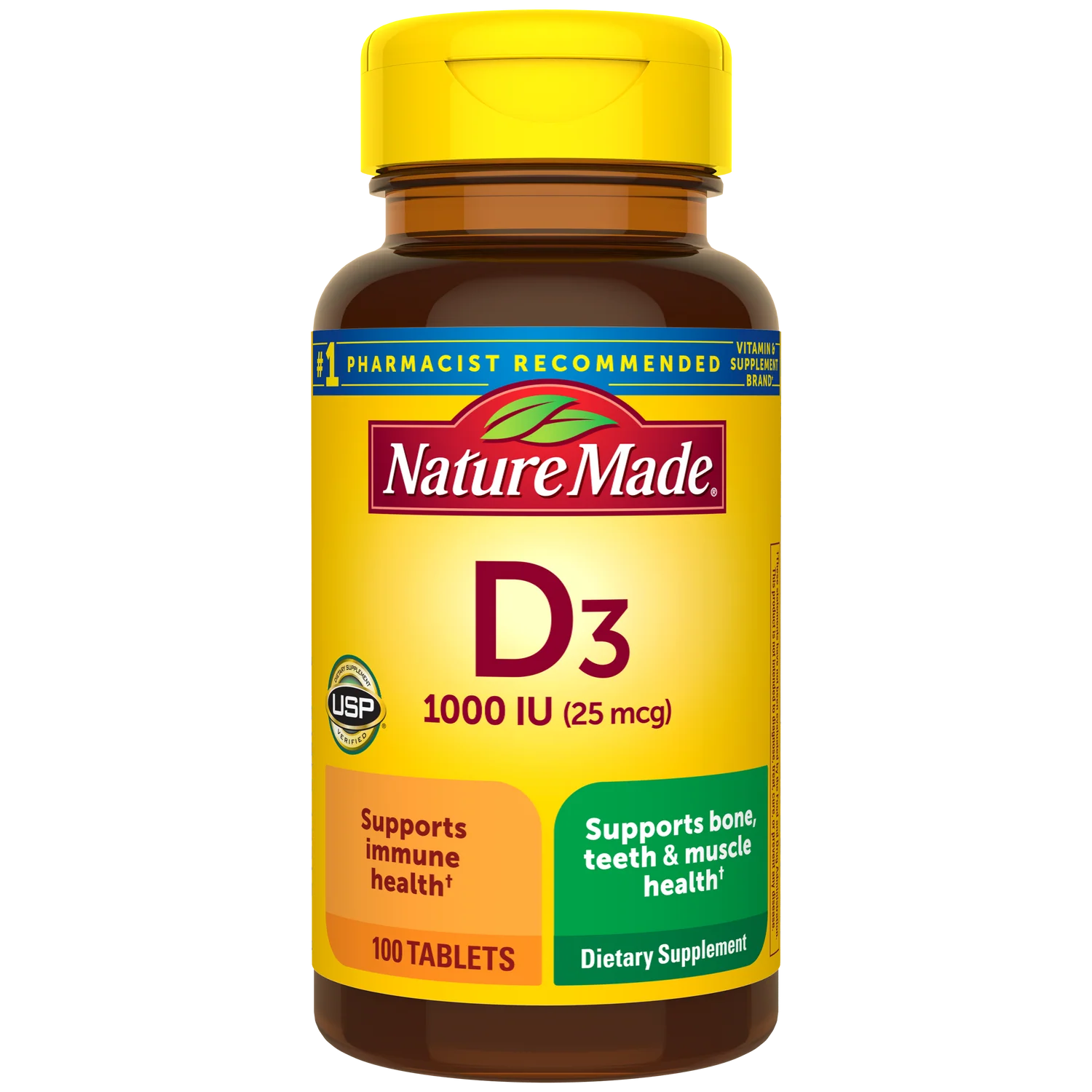
Treating this as a supplement project. The gut-friendly part is a food, not a pill. Save supplements for a conversation with your doctor or a registered dietitian if you think you need them.
Making it precious. You do not need organic produce or a specialty store. Eggs, canned beans, frozen vegetables, oats, onions, and plain yogurt will carry you a long way.
Adding too much fiber or fermented food at once. If your usual meals have been low in both, go slowly. Discomfort is often a sign to ease in, not a sign the idea is wrong.
A few questions I hear
Does every meal have to be perfect? No. Use the four parts as a guide, not a test. If you hit three out of four, you are doing well. Come back for the fourth next time.
Can I use this if I do not eat meat? Yes. Beans, lentils, eggs, dairy, tofu, and tempeh all work. The four parts stay the same. Only the foods change.
What if I do not like yogurt or kimchi? Use a prebiotic food instead: onion and garlic in the pan, oats at breakfast, or beans at lunch.
Is this a diet? It is not a diet, and it is not a list of forbidden foods. It is a way to build meals you can repeat. If you want ideas for simple food habits that sit alongside this plate, I have a short guide for that too.
Final thoughts
You do not need a perfect kitchen or a long cooking window. You need a picture you can remember when the day is already full: protein, fiber-rich plants, color, and one gut-friendly food. Look at what you have, fill the gaps, and eat.
Try it at your next meal. Notice which of the four parts you usually forget, and keep that one within reach — a tub of yogurt, a bag of frozen vegetables, a can of beans, or a jar of sauerkraut in the fridge.
