


Eating healthy doesn’t have to be complicated or restrictive. In fact, many nutrition experts say the best approach is to focus on small, consistent changes instead of extreme diets. By building simple food habits and understanding what your body needs, you can improve your energy, support your immune system, and maintain long-term health.
Focus on Whole, Nutrient-Dense Foods
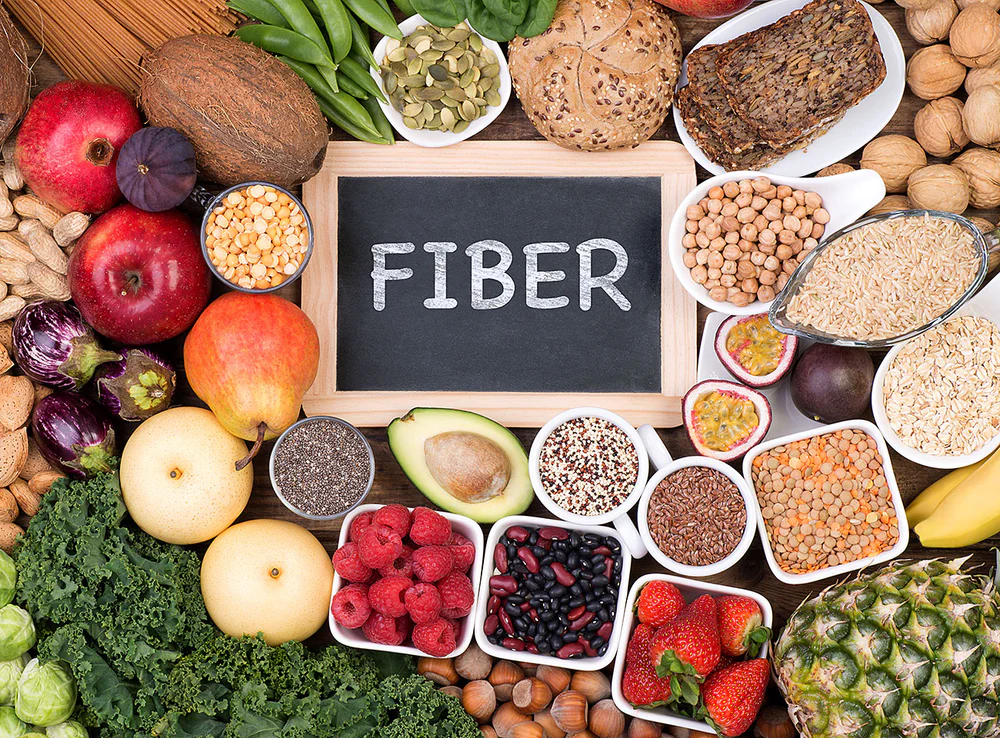
One of the easiest ways to improve your diet is by choosing whole foods more often. Whole foods include fruits, vegetables, whole grains, lean proteins, and healthy fats. These foods are packed with essential nutrients like vitamins, minerals, and fiber that help your body function properly.
According to the Harvard T.H. Chan School of Public Health, diets rich in whole foods can reduce the risk of chronic diseases such as heart disease and type 2 diabetes. Instead of relying on heavily processed meals, try building plates around simple ingredients like grilled chicken, brown rice, roasted vegetables, and leafy greens.
Learn more about the benefits of whole foods here:
https://www.hsph.harvard.edu/nutritionsource/what-should-you-eat/

Balance Your Plate for Better Nutrition
A balanced plate typically includes a combination of protein, carbohydrates, and healthy fats. Each of these macronutrients plays an important role in keeping your body fueled throughout the day.
Protein supports muscle repair and growth, carbohydrates provide energy, and healthy fats help with hormone regulation and brain function. The USDA’s MyPlate model suggests filling half your plate with fruits and vegetables, one quarter with protein, and one quarter with whole grains.
You can explore the MyPlate guidelines here:
https://www.myplate.gov/
Hydration Is Just as Important as Food
Many people focus on what they eat but forget how important hydration is for overall health. Water helps regulate body temperature, support digestion, and transport nutrients throughout the body.
Even mild dehydration can lead to fatigue, headaches, and reduced concentration. The CDC recommends drinking water regularly throughout the day, especially during physical activity or hot weather.
More hydration tips can be found here:
https://www.cdc.gov/healthyweight/healthy_eating/water-and-healthier-drinks.html
Limit Ultra-Processed Foods
Highly processed foods often contain added sugars, sodium, and unhealthy fats that can negatively impact your health when consumed frequently. While it’s completely fine to enjoy treats occasionally, building a diet around processed snacks and fast food can increase the risk of obesity, cardiovascular disease, and metabolic issues.
Instead, try swapping processed snacks for healthier options such as nuts, yogurt, fruit, or homemade meals. Cooking simple meals at home also allows you to control ingredients and portion sizes.
You can read more about ultra-processed foods here:
https://www.health.harvard.edu/staying-healthy/what-are-ultra-processed-foods
Final Thoughts
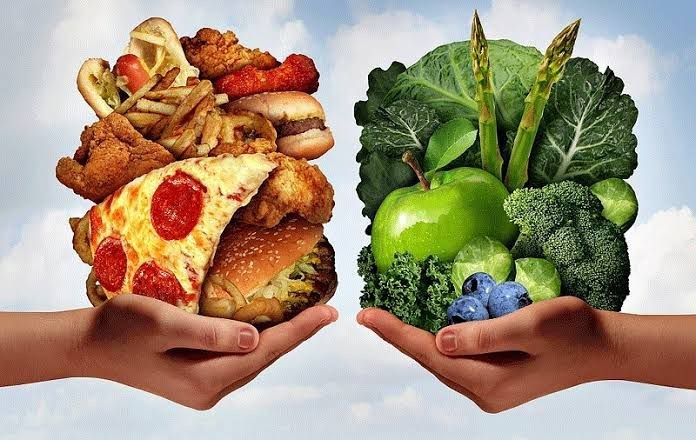
Healthy eating isn’t about perfection — it’s about making better choices more often. By focusing on whole foods, balancing your meals, staying hydrated, and limiting processed foods, you can build sustainable habits that support long-term health.
Small daily decisions around food add up over time, and the goal should always be progress rather than perfection. Start with one or two healthy changes and gradually build a routine that works for your lifestyle.