



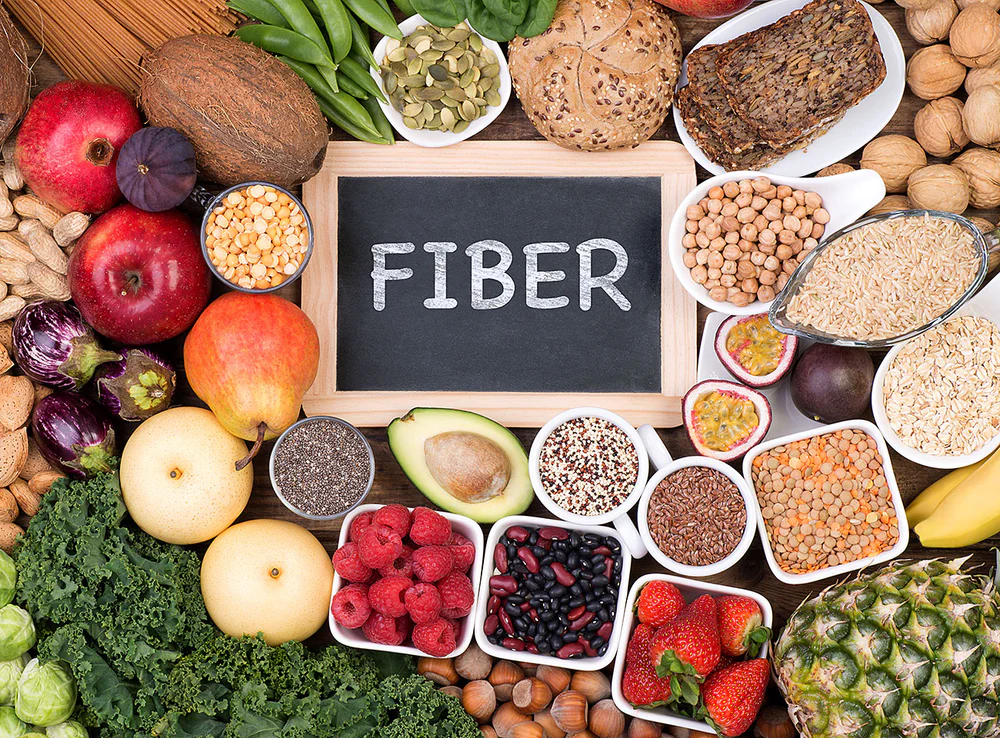
xxxFiber is one of the most important nutrients for overall health, yet many people don’t get enough of it in their daily diet. Found mainly in plant-based foods like fruits, vegetables, whole grains, and legumes, fiber plays a key role in digestion, heart health, and maintaining stable energy levels throughout the day.
Adding more fiber to your meals is a simple way to improve your health without making drastic changes to your diet.
Supports Healthy Digestion
One of the main benefits of fiber is that it helps keep your digestive system working properly. Fiber adds bulk to stool and helps food move through the digestive tract more efficiently. This can help prevent constipation and support a healthier gut.
According to Harvard’s Nutrition Source, diets high in fiber are associated with better digestive health and improved gut bacteria.
Learn more about fiber and digestion:
https://www.hsph.harvard.edu/nutritionsource/carbohydrates/fiber/
Helps Maintain Heart Health
Fiber can also support heart health. Soluble fiber, which is found in foods like oats, beans, and apples, helps lower levels of LDL cholesterol (often called “bad” cholesterol). Lower cholesterol levels can reduce the risk of heart disease over time.
The American Heart Association recommends including fiber-rich foods as part of a heart-healthy diet.
More information:
https://www.heart.org/en/healthy-living/healthy-eating/eat-smart/nutrition-basics/fiber
Helps Control Blood Sugar
Fiber slows the absorption of sugar in the bloodstream. This helps prevent large spikes in blood sugar levels after meals. Because of this, fiber-rich foods are especially helpful for maintaining steady energy levels throughout the day.
Whole grains, legumes, vegetables, and fruits are excellent sources of fiber that can help keep blood sugar balanced.
Supports Healthy Weight Management
High-fiber foods tend to be more filling, which can help you feel satisfied for longer periods of time. This can reduce unnecessary snacking and help with portion control. Many nutrition experts recommend fiber-rich foods as part of a balanced diet for maintaining a healthy weight.
Easy Ways to Add More Fiber to Your Diet
Increasing your fiber intake doesn’t have to be difficult. Some simple ways to add more fiber to your meals include:
• Eating whole fruits instead of fruit juice
• Choosing whole grains instead of refined grains
• Adding beans or lentils to soups and salads
• Including vegetables with every meal
• Snacking on nuts, seeds, or fresh fruit
Final Thoughts
Fiber is a simple but powerful nutrient that supports digestion, heart health, blood sugar control, and overall wellness. By including more fiber-rich foods like fruits, vegetables, whole grains, and legumes in your diet, you can improve your health in a sustainable way.
Small dietary changes, like adding more fiber to your meals, can have long-term benefits for your overall well-being.