


Sugar cravings can derail even the best nutrition plans. One moment you’re committed to eating healthy, and the next you’re mindlessly reaching for cookies or candy. According to Harvard Medical School, Americans consume an average of 17 teaspoons of added sugar daily—far more than the recommended limit.
The good news? You can break the sugar cycle with a few strategic changes that address the root causes of cravings rather than just relying on willpower.

1. Eat More Protein at Every Meal
Protein is your secret weapon against sugar cravings. Unlike carbs that spike and crash your blood sugar, protein provides steady energy and keeps you fuller longer.
Research from the National Institutes of Health shows that increasing protein intake reduces cravings by up to 60% and cuts late-night snacking urges in half.
What to do: Include 25-30 grams of protein at each meal. This looks like 4 eggs, a chicken breast, or a cup of Greek yogurt. Protein stabilizes blood sugar, preventing the crashes that trigger sugar cravings.
2. Don’t Skip Meals
When you skip meals, your blood sugar drops, triggering intense cravings for quick energy—which usually means sugar. Your body isn’t being difficult; it’s trying to survive.
The Mayo Clinic emphasizes that regular eating patterns prevent the extreme hunger that leads to poor food choices and overeating.
What to do: Eat every 3-4 hours, even if it’s just a small snack. Keep portable protein snacks like nuts, cheese, or hard-boiled eggs on hand. Consistent eating prevents the desperation that makes that candy bar look irresistible.
3. Stay Hydrated
Thirst often disguises itself as hunger or sugar cravings. Your brain can confuse dehydration signals with the need for quick energy, leading you straight to sweet snacks.
Studies cited by WebMD found that people often eat when they’re actually just thirsty, consuming unnecessary calories when water would have satisfied them.
What to do: Drink a full glass of water when a craving hits, then wait 15 minutes. If you still want something sweet, you’re actually hungry. Often, the craving disappears entirely. Aim for 8-10 glasses of water daily.
4. Get Enough Sleep
Poor sleep wreaks havoc on the hormones that control hunger and cravings. When you’re sleep-deprived, your body produces more ghrelin (the hunger hormone) and less leptin (the fullness hormone).
According to the Sleep Foundation, people who sleep less than 7 hours per night have significantly stronger cravings for high-sugar, high-carb foods.
What to do: Prioritize 7-9 hours of quality sleep. Go to bed at the same time each night, avoid screens an hour before bed, and keep your bedroom cool and dark. Better sleep means fewer cravings.
5. Manage Your Stress
Stress triggers cortisol release, which increases blood sugar and insulin levels, ultimately leading to intense sugar cravings. Stress eating isn’t a character flaw—it’s biology.
The American Psychological Association reports that 38% of adults admit to overeating or eating unhealthy foods due to stress, with sugary foods being the top choice.
What to do: Find stress management techniques that work for you. Even 10 minutes of deep breathing, a short walk, or calling a friend can lower cortisol levels. When you manage stress, sugar loses its emotional pull.
What About Natural Sweeteners?
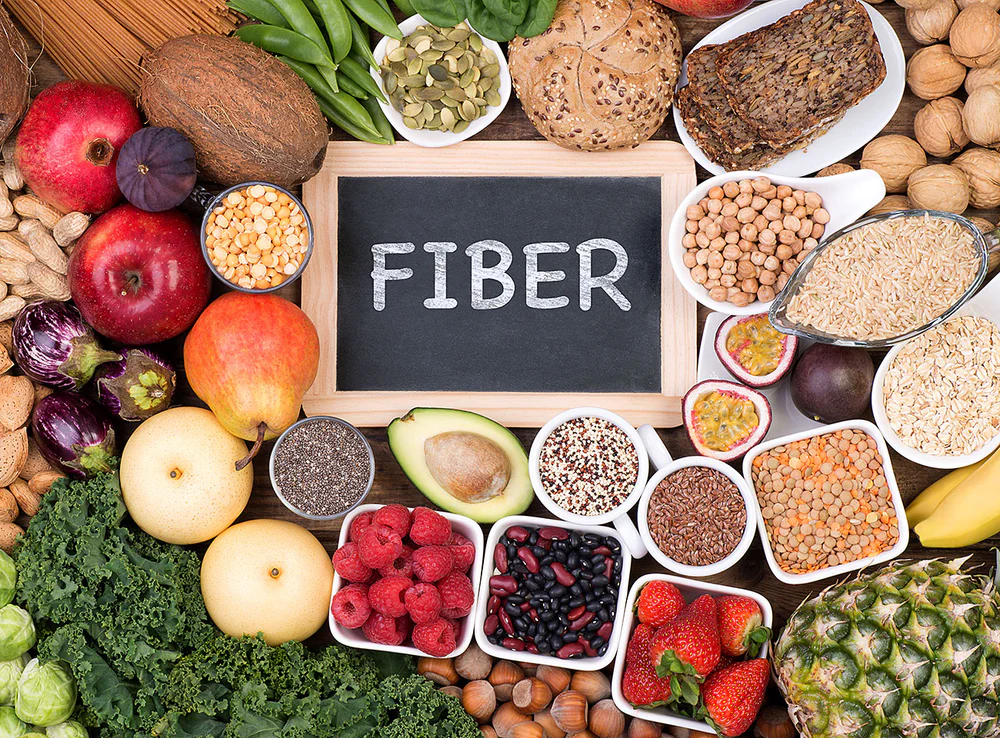
If you need something sweet, choose whole foods first. Fresh fruit provides natural sugar along with fiber, vitamins, and antioxidants that satisfy cravings without the crash.
The Cleveland Clinic recommends berries, apples with nut butter, or dark chocolate (70% or higher) as healthier alternatives when you genuinely want something sweet.
The Bottom Line
Breaking sugar cravings isn’t about willpower—it’s about biology. When you eat enough protein, maintain stable blood sugar with regular meals, stay hydrated, sleep well, and manage stress, cravings naturally decrease.
Start with one strategy this week. Most people find that protein at breakfast makes the biggest immediate difference. Once that feels easy, add another strategy. Small, consistent changes create lasting results.
Which tip will you try first? Let me know in the comments below!