
When people think of superfoods, items like kale, blueberries, or salmon often come to mind. But one of the most nutrient-packed, versatile, and underappreciated foods is mushrooms. From boosting immunity and brain function to supporting heart health and weight management, mushrooms are a true powerhouse that deserves a place in your diet.
Whether you love their earthy flavor, are curious about their medicinal properties, or are simply looking for a healthy, low-calorie food to add to your meals, mushrooms have something to offer everyone.
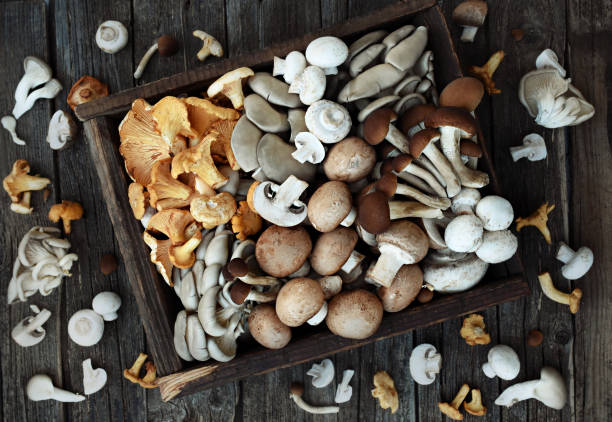
A Brief History of Mushrooms
Mushrooms have been used for thousands of years across different cultures. Ancient Egyptians considered mushrooms a food of the gods, reserved for royalty. Traditional Chinese medicine has utilized medicinal mushrooms like reishi, shiitake, and maitake for centuries to promote longevity and strengthen the immune system.
In modern times, mushrooms have gained popularity not just as culinary ingredients but also as functional foods—foods that provide specific health benefits beyond basic nutrition.
For more on the history of mushrooms in medicine and culture, check out this article from the National Center for Complementary and Integrative Health:
https://www.nccih.nih.gov/health/mushrooms
Why Mushrooms Are a True Superfood
Mushrooms are low in calories, high in fiber, and rich in essential nutrients like vitamin D, B vitamins, selenium, potassium, and antioxidants. What makes them particularly unique is their combination of medicinal compounds that may support immune function, brain health, and overall wellness.
Key Nutritional Facts (Per 100g of Raw Mushrooms):
- Calories: 22
- Protein: 3g
- Fiber: 2g
- Vitamin D: 7 IU (varies widely depending on sunlight exposure)
- Selenium: 9% of daily value
Health Benefits of Mushrooms
1. Boost Immune Function
Many mushrooms contain beta-glucans, complex sugars that can stimulate your immune system. Research suggests that beta-glucans may enhance the body’s defense against infections and reduce inflammation.
Shiitake and maitake mushrooms are particularly known for these immune-boosting properties:
https://www.healthline.com/nutrition/shiitake-mushroom-benefits
2. Support Brain Health
Mushrooms like lion’s mane contain bioactive compounds that may stimulate nerve growth factor (NGF), a protein that promotes the growth and maintenance of neurons. Early studies suggest that consuming lion’s mane could support memory, focus, and cognitive function.
Read more about lion’s mane and cognitive health here:
https://www.healthline.com/nutrition/lions-mane-mushroom-benefits
3. Promote Heart Health
Mushrooms are naturally low in sodium and cholesterol-free. Some varieties, like shiitake, contain compounds that may help reduce cholesterol levels and support overall cardiovascular health.
According to Harvard T.H. Chan School of Public Health:
https://www.hsph.harvard.edu/nutritionsource/food-features/mushrooms/
4. Antioxidants and Anti-Aging Properties
Mushrooms contain antioxidants such as ergothioneine and selenium, which combat oxidative stress and protect cells from damage. Regular consumption may reduce the risk of chronic diseases like heart disease, diabetes, and certain cancers.
5. Weight Management and Satiety
Because mushrooms are low in calories but high in fiber and protein, they are excellent for weight-conscious eaters. Including mushrooms in meals can help you feel fuller longer, reduce overeating, and support healthy digestion.
6. Natural Source of Vitamin D
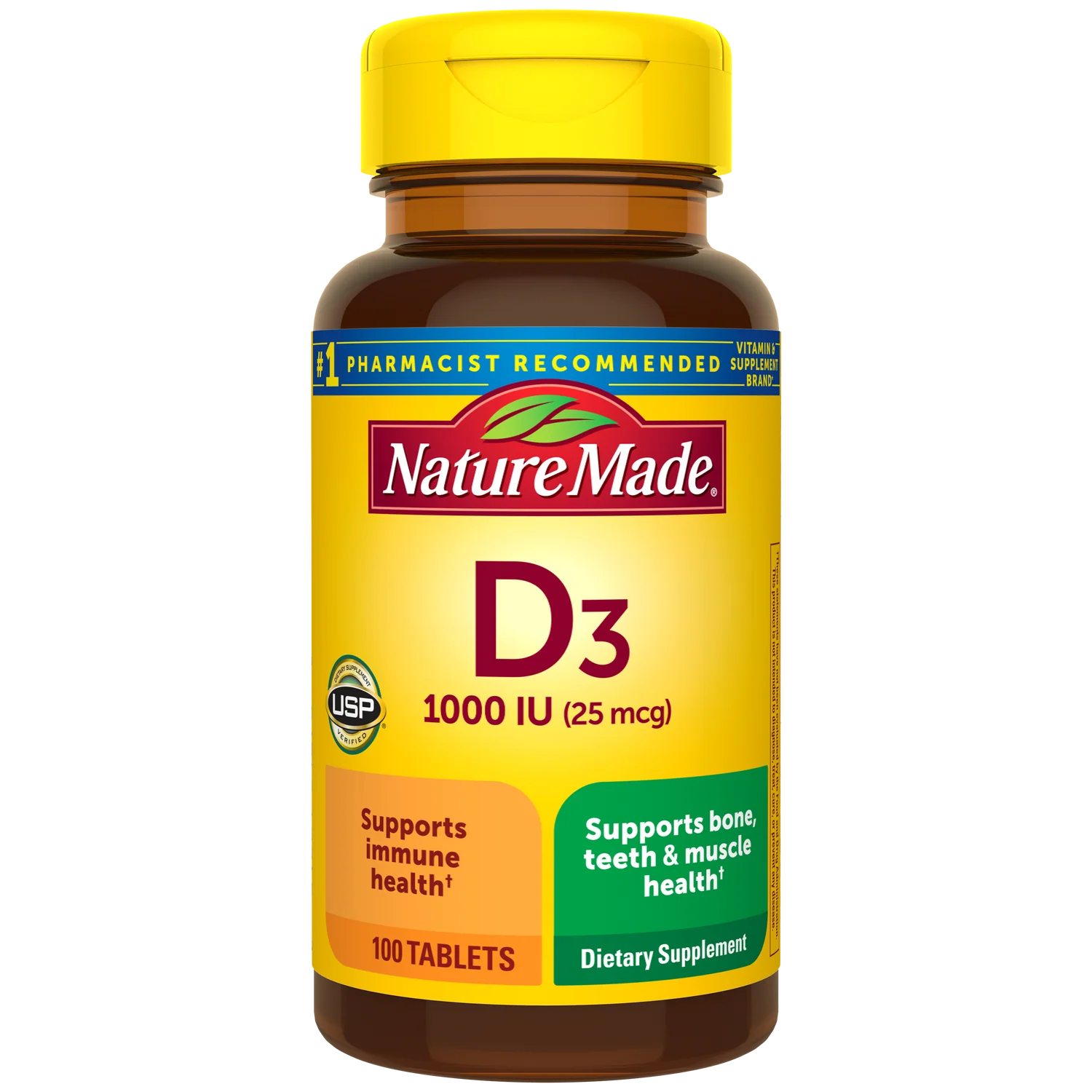
Mushrooms are one of the few non-animal sources of vitamin D. Exposing mushrooms to sunlight or UV light significantly increases their vitamin D content, which is crucial for bone health, immune function, and mood regulation.
The National Institutes of Health explains the importance of vitamin D for overall health:
https://ods.od.nih.gov/factsheets/VitaminD-Consumer/
Popular Types of Mushrooms and Their Benefits
| Mushroom | Key Benefits | Common Uses |
|---|---|---|
| Shiitake | Heart health, immunity | Stir-fries, soups, sauces |
| Maitake | Blood sugar support, immunity | Salads, soups, sautés |
| Lion’s Mane | Brain and cognitive function | Tea, supplements, stir-fry |
| Reishi | Stress reduction, longevity | Tea, extracts |
| Button/White Mushroom | Low-calorie protein, fiber | All-purpose cooking |
| Portobello | Protein-rich, hearty flavor | Grilled, roasted, burgers |
For a detailed guide on mushroom varieties and their benefits, check the University of Michigan Health Blog:
https://www.uofmhealth.org/health-library/hn-1127003
How to Add Mushrooms to Your Diet
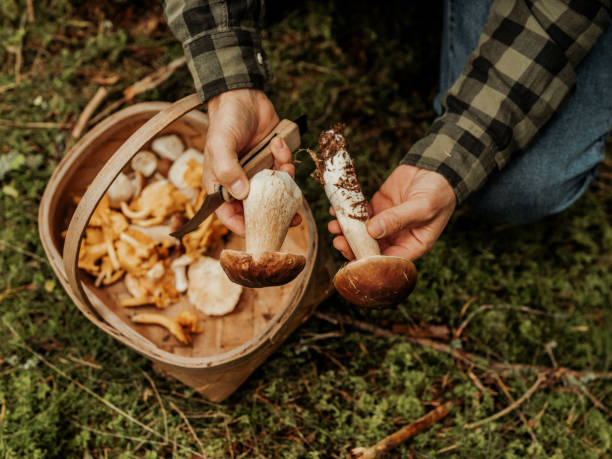
Mushrooms are versatile and can be incorporated into almost any meal:
- Breakfast: Add sliced mushrooms to omelets, scrambles, or avocado toast
- Lunch: Include mushrooms in salads, grain bowls, or soups
- Dinner: Sauté mushrooms with garlic and olive oil as a side dish, or use them as a meat alternative in tacos, burgers, or pasta
- Snacks: Roast mushrooms with spices for a crunchy, savory snack
Pro tip: Always clean mushrooms gently with a damp cloth or soft brush. Avoid soaking them in water, as they absorb moisture quickly.
Sustainable and Affordable Superfood
Mushrooms are not only healthy but also eco-friendly. They have a small environmental footprint, require minimal water, and grow quickly compared to many other crops. For people looking to eat sustainably, mushrooms are a smart choice.
The Monterey Bay Aquarium Seafood Watch recommends mushrooms as a low-impact, sustainable crop:
https://www.seafoodwatch.org
Final Thoughts
Mushrooms are more than just a culinary ingredient—they are a hidden superfood packed with nutrients and medicinal compounds. From supporting immunity, brain health, and heart function to aiding in weight management and providing vitamin D, mushrooms are a versatile, affordable, and sustainable choice for anyone looking to optimize their health.
Next time you plan a meal, don’t underestimate the power of mushrooms—they’re small, unassuming, and incredibly impactful. By incorporating a variety of mushrooms into your diet, you can boost both your flavor profile and your overall wellness.
One Response
umm the hecky