


Protein is one of the most essential nutrients your body needs to survive and thrive. It plays a critical role in muscle development, metabolism, immune function, and even mental performance. Whether you’re focused on fitness, weight management, or simply living a healthier lifestyle, getting enough protein each day is key to supporting long-term wellness.
What Is Protein and Why Does It Matter?
Protein is a macronutrient made up of amino acids, which are often called the “building blocks of life.” These amino acids are responsible for building and repairing tissues, producing enzymes and hormones, and supporting nearly every system in the body.
There are 20 amino acids in total. Nine of them are considered essential amino acids, meaning your body cannot make them on its own and must get them from food. This is why a balanced diet with quality protein sources is so important.
You can learn more about amino acids and protein structure from the National Institutes of Health:
https://www.ncbi.nlm.nih.gov/books/NBK554422/
Key Health Benefits of Protein
1. Builds and Maintains Muscle
Protein is crucial for muscle repair and growth, especially after exercise. When you work out, muscle fibers experience small tears, and protein helps rebuild them stronger. This is important not only for athletes but also for older adults looking to prevent muscle loss over time.
2. Aids in Weight Management
Protein is one of the most filling nutrients. It helps control hunger hormones, keeps you feeling full longer, and may reduce cravings throughout the day. Because protein requires more energy to digest, it can also slightly boost metabolism.
According to Healthline, increasing protein intake can support fat loss and appetite control:
https://www.healthline.com/nutrition/how-protein-can-help-you-lose-weight
3. Supports Immune Function
Your immune system relies heavily on protein to produce antibodies and immune cells. Without adequate protein intake, your body may struggle to fight infections or recover from illness efficiently.
4. Helps Regulate Hormones and Enzymes
Many hormones and enzymes that control digestion, blood sugar, and metabolism are made from protein. For example, insulin, which regulates blood sugar levels, is a protein-based hormone.
5. Promotes Healthy Skin, Hair, and Nails
Protein contributes to the production of keratin and collagen, which help maintain strong hair, nails, and skin elasticity. Low protein intake can sometimes lead to brittle nails or hair thinning.
Best Protein Sources to Include in Your Diet
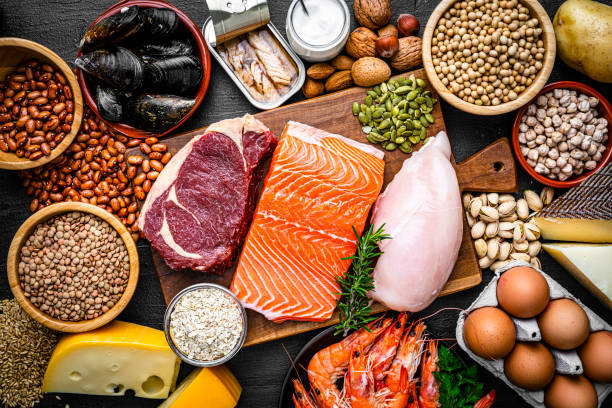
A healthy diet includes a mix of animal-based and plant-based protein sources to ensure a wide range of nutrients.
Animal-Based Protein Sources
- Chicken and turkey
- Fish such as salmon and tuna
- Eggs
- Greek yogurt
- Lean cuts of beef
Plant-Based Protein Sources
- Lentils and chickpeas
- Black beans and kidney beans
- Tofu and tempeh
- Quinoa
- Nuts and seeds
Harvard Health offers an excellent breakdown of healthy protein choices:
https://www.hsph.harvard.edu/nutritionsource/what-should-you-eat/protein/
How Much Protein Should You Eat Daily?
Protein needs vary depending on age, body weight, activity level, and personal health goals. As a general guideline:
- The average adult needs about 0.8 grams of protein per kilogram of body weight
- Active individuals, athletes, or those trying to build muscle may benefit from higher intake
For personalized guidance, the USDA’s MyPlate resource is a helpful tool:
https://www.myplate.gov
Simple Tips to Add More Protein to Your Meals
- Add eggs or Greek yogurt to breakfast
- Include a protein source with every meal
- Snack on nuts, seeds, or hummus
- Choose whole-food protein sources over heavily processed options
Final Thoughts
Protein is far more than just a nutrient for bodybuilders—it’s a foundational part of a healthy diet for people of all ages. From supporting muscle strength and metabolism to boosting immunity and overall energy, protein plays a vital role in daily health. By choosing high-quality protein sources and spreading intake throughout the day, you can better support your body’s needs and long-term wellness.