

Your gut health influences everything from digestion to immunity, mood, and even skin health. While probiotic supplements have their place, whole food sources of probiotics offer something pills can’t—beneficial bacteria plus vitamins, minerals, and other compounds that support overall health.
If you’re struggling with bloating, irregular digestion, or frequent illness, adding probiotic-rich foods to your daily routine could be the simple solution you’ve been looking for. These foods contain live beneficial bacteria that colonize your gut, crowd out harmful bacteria, and restore balance to your digestive system.
What Are Probiotics and Why Do You Need Them?
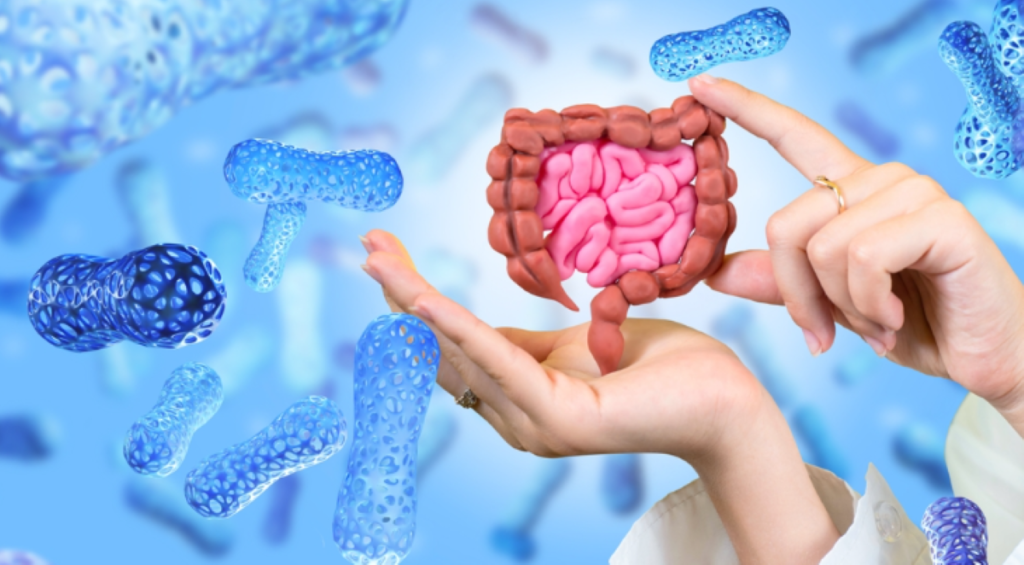
Probiotics are live beneficial bacteria that support your gut microbiome—the trillions of microorganisms living in your digestive tract. When you eat probiotic foods, you’re introducing these helpful bacteria into your system, where they help with digestion, boost immunity, and even produce vitamins your body needs.
Research shows that people who regularly consume probiotic foods have more diverse gut bacteria, which is strongly linked to better health outcomes. A diverse microbiome helps you fight infections, manage weight, reduce inflammation, and maintain stable energy and mood.
The best part? You don’t need expensive supplements. Nature provides plenty of delicious probiotic-rich foods that have been consumed for thousands of years.
The 10 Best Probiotic Foods for Your Gut
1. Yogurt with Live Cultures
Why it works: Yogurt is the most accessible probiotic food for most people. It contains multiple strains of beneficial bacteria, particularly Lactobacillus and Bifidobacterium, which support digestive health.
How to choose: Look for labels that say “contains live and active cultures.” Avoid varieties loaded with sugar—more than 10 grams per serving is too much. Plain Greek yogurt or traditional yogurt are your best bets.
How to eat it:
- Top with fresh berries and nuts for breakfast
- Use as a base for smoothies
- Substitute for sour cream in recipes
- Mix with herbs for a healthy veggie dip
Probiotic content: 1 cup provides billions of beneficial bacteria
2. Kefir
Why it works: Kefir is fermented milk that contains even more probiotic strains than yogurt—up to 60 different types of bacteria and yeasts. It’s also easier to digest for people with lactose sensitivity because the fermentation process breaks down most of the lactose.
How to choose: Buy plain, unsweetened kefir to avoid added sugars. You can find it in the dairy section near yogurt. Both regular and goat milk kefir work well.
How to eat it:
- Drink it straight (start with small amounts)
- Add to smoothies for a tangy boost
- Use in salad dressings
- Pour over granola like milk
Probiotic content: 1 cup provides 10-34 strains of probiotics
3. Sauerkraut
Why it works: This fermented cabbage is packed with probiotics, fiber, and vitamin C. The fermentation process also makes the nutrients more bioavailable, meaning your body can absorb them more easily.
How to choose: This is crucial—buy raw, unpasteurized sauerkraut from the refrigerated section. Shelf-stable sauerkraut has been pasteurized, which kills all the beneficial bacteria. Look for brands that list only cabbage, salt, and maybe seasonings.
How to eat it:
- Add to sandwiches and wraps
- Serve as a side dish with meals
- Top eggs or avocado toast
- Mix into salads
Serving size: Just 2-3 tablespoons daily provides significant benefits
4. Kimchi
Why it works: This spicy Korean staple is fermented vegetables (usually cabbage) with garlic, ginger, and chili peppers. Beyond probiotics, kimchi provides antioxidants and compounds that support immune function.
How to choose: Like sauerkraut, choose refrigerated, unpasteurized kimchi. Check the ingredient list—it should be simple and natural.
How to eat it:
- Add to rice bowls and grain dishes
- Top scrambled eggs
- Mix into fried rice
- Eat as a side dish with any meal
- Add to ramen or noodle soups
Note: Start with small amounts if you’re not used to spicy foods
5. Kombucha
Why it works: This fermented tea contains probiotics plus beneficial acids and antioxidants. The fermentation process creates a slightly fizzy, tangy drink that many people find refreshing.
How to choose: Select brands with less than 5 grams of sugar per serving. Many kombuchas are loaded with added sugar, which defeats the purpose of supporting gut health.
How to drink it:
- Enjoy as an afternoon pick-me-up
- Use as a healthier soda alternative
- Drink with meals to aid digestion
Serving size: 8-16 oz daily
Note: Kombucha contains trace amounts of alcohol from fermentation (usually less than 0.5%)
6. Miso
Why it works: This traditional Japanese seasoning is made from fermented soybeans. It’s rich in probiotics and provides beneficial enzymes that aid digestion.
How to choose: Look for unpasteurized miso paste in the refrigerated section. Light (white) miso is milder, while dark (red) miso is more intense.
How to eat it:
- Make traditional miso soup (add miso at the end—don’t boil it)
- Whisk into salad dressings
- Use as a marinade for fish or vegetables
- Stir into warm (not boiling) broths
Important: Don’t cook miso at high heat—it kills the beneficial bacteria
7. Tempeh
Why it works: Tempeh is fermented soybeans pressed into a firm cake. It’s an excellent plant-based protein source that also delivers probiotics. The fermentation process makes the protein more digestible and increases nutrient absorption.
How to choose: Find it in the refrigerated section near tofu. Check the ingredient list—it should be simple (soybeans, sometimes grains, and a culture starter).
How to eat it:
- Slice and pan-fry until crispy
- Crumble into stir-fries or pasta dishes
- Use as a meat substitute in tacos or sandwiches
- Marinate and grill
Serving size: 3-4 oz provides protein plus probiotics
8. Pickles (Naturally Fermented)
Why it works: Traditional pickles made through natural fermentation (not vinegar pickling) contain beneficial bacteria. They’re also low in calories and add a satisfying crunch to meals.
How to choose: Look for “naturally fermented” or “lacto-fermented” pickles in the refrigerated section. Avoid shelf-stable pickles made with vinegar—they contain no probiotics.
How to eat them:
- Snack on them straight from the jar
- Add to sandwiches and burgers
- Chop and mix into tuna or chicken salad
- Serve alongside any meal
Serving size: 1-2 pickles as a snack
9. Traditional Buttermilk
Why it works: Real buttermilk (not the cultured buttermilk often sold in stores) is the liquid left after churning butter from fermented cream. It contains beneficial bacteria and is easier to digest than regular milk.
How to choose: Look for “cultured buttermilk” with live cultures. Check the label to ensure it contains active cultures.
How to use it:
- Drink it straight (it has a tangy flavor)
- Use in baking—it makes incredibly tender pancakes and biscuits
- Make smoothies or lassi (Indian yogurt drink)
- Use in salad dressings
Note: This is different from the buttermilk in baking recipes
10. Aged Cheese
Why it works: Certain aged cheeses contain probiotics that survive the aging process. The longer a cheese is aged, the more likely it contains beneficial bacteria.
Which types: Gouda, cheddar, parmesan, Gruyère, and Swiss are good options. The key is that they’re aged for at least 6 months.
How to eat it:
- Add to salads
- Enjoy with fruit and nuts as a snack
- Grate over vegetables or whole grain pasta
- Include on a cheese board
Serving size: 1-2 oz provides probiotics plus calcium and protein
How to Add Probiotic Foods to Your Daily Routine
You don’t need to eat all 10 foods daily. Start with one or two that appeal to you and build from there. Here’s a simple approach:
Breakfast: Greek yogurt with berries, or kefir smoothie
Lunch: Sandwich with sauerkraut or pickles, or miso soup
Snack: Kombucha or cheese with fruit
Dinner: Kimchi as a side dish, or tempeh stir-fry
Daily goal: Aim for at least one serving of probiotic-rich food daily, ideally 2-3 servings for maximum benefit.
Important Tips for Success
Start slowly. If you’re new to fermented foods, your gut needs time to adjust. Begin with small portions and gradually increase over 1-2 weeks. Some people experience temporary gas or bloating when first adding probiotics.
Consistency matters more than quantity. Eating a small amount of probiotic foods daily is better than large amounts occasionally. Make them a regular part of your routine.
Combine with prebiotic foods. Probiotics need fuel to thrive. Eat them alongside fiber-rich foods like vegetables, fruits, whole grains, and legumes.
Don’t cook probiotics at high heat. Heat kills beneficial bacteria. Add fermented foods after cooking, or eat them raw/at room temperature.
Buy quality products. Look for refrigerated, unpasteurized options with minimal ingredients. The word “fermented” or “live cultures” should be on the label.
What to Expect When You Add Probiotic Foods
Week 1-2: You might experience temporary digestive changes as your gut adjusts. Mild gas or bloating is normal initially.
Week 3-4: Most people notice improved digestion, less bloating, and more regular bowel movements.
Week 6-8: You may experience broader benefits like increased energy, clearer skin, fewer cravings for sugar, and improved immunity.
Long-term: Regular consumption of probiotic foods supports ongoing gut health, helping you maintain strong digestion and overall wellness.
The Bottom Line
Probiotic foods are one of the simplest and most effective ways to support your gut health naturally. Unlike supplements, these whole foods provide beneficial bacteria plus additional nutrients your body needs.
You don’t need to eat all 10 foods or make dramatic changes overnight. Start with one or two probiotic foods that sound appealing, eat them consistently, and pay attention to how you feel. Your gut (and your overall health) will thank you.
Ready to boost your gut health? Pick one probiotic food from this list to try this week. Share in the comments which one you’re starting with—I’d love to hear about your experience!